
近代化以降からの均質性がますます高まり、平凡さに価値が与えられてきたのでしょうか。風景を取り戻せ!などとセンチメンタルで時代に逆行したことは言いません。ただ私たち現代人がこれからのまちづくりや地域の復興・再開発に携わるときに、いかに新しい手法や技術革新がその場所の歴史や「らしさ」といった質的なものを排除せず共存し相互作用させていけるのか。その奮闘がその場のリアルな可能性を最大化するのではないでしょうか。
Read MoreReasons to Run the Kaido Trails - Episode 02 [Newsletter 07/2021] /
Let’s not be naive or nostalgic to say bring back the landscape. However, we as contemporaries of these challenging times, should strive towards maximizing the potential of localized developments and regeneration that does not hash over history and qualities of a place, but rather is augmented by new methods and technological advancements, hopefully more than just virtual reality tours of now-bygone places.
Read MoreReasons to Run the Kaido Trails - Episode 01 [Newsletter 06/2021] /
Without exception, all trails emanate from Nihonbashi Bridge. As the West has the enigmatic Milliarium Aureum and the proverb, “All roads lead to Rome'', so does Japan have the Nihonbashi Bridge and may I say so, “All roads lead to Edo (Tokyo)”…
Alas, it was a timber bridge, magnificent yet ephemeral! The seat of most powerful feudal governance chose a timber bridge, susceptible to fires and floods, as a beginning and the end of all paths, embedded with manifold systems of controls, symbols, and functions that refused to be encapsulated in something concrete and perceptible.
Read More旧街道を走る訳 - エピソード① [ニュースレター:六月号] /
すべての街道は例外なく日本橋から出発します。西洋には伝説的なミリアリウム・アウレウムがあり、「すべての道はローマに通じる」ということわざがあるように、日本には日本橋があり、「すべての道は江戸に通じる」と言ってもいいかもしれません。
今もなお希少な、日本で唯一の真の公共空間だったのです。しかし悲しいことに、それは荘厳でありながらも儚い、木造の橋でした。最も強力な封建的統治体制が、火事や洪水に弱い木造であえて建てたのです。当時当然のこととはいえ、すべての道の始点と終点であるにもかかわらず。
Read More二つのオリンピック・ミラージュ [ニュースレター:五月号] /
一度目の東京オリンピック(1940年)の中止と、その四半世紀後に開催された二度目の東京オリンピック(1964年)での見事な復活が、“後悔”と"復活”の象徴であるとすれば、三度目のオリンピックは“精算”と言えるのではないでしょうか。アジア初の開催地は最初のオリンピックが予定された年から24年間待ち続け――その間に6つの大会が開催されました――、1964年第18回夏季オリンピック大会の丹下健三設計による荘厳なスタジアムにおいて、ついにギリシャからの火を聖火台[5]に灯すことができました。
2020(2021)夏季オリンピックがどのような結果を迎えようとも、冗長性や不正、何かに固執する姿勢が暴かれ、より有効で、平等で、透明性のある多様な社会を再構築できることを願っています。
Two Olympic Mirages [Newsletter 05/2021] /
If the cancellation of the first Tokyo Olympics (1940) and the triumphant reemergence of the second a quarter-century later (1964) are symbols of first regret and second rebirth, then can the third perhaps be considered one of reckoning? Deferred to the 1964 Summer Olympics, the XVIII Olympiad, the first Asian host city was to wait 24 years and 6 cycles after it was vested to finally welcome the torch flame from Greece that would light the sacred cauldron[5] in the sublime stadium designed by Kenzo Tange. Whatever the outcome of the 2020/1 Summer Olympics may be, we hope enough redundancies, inequity, and single-mindedness has been exposed such that we can begin the process of reimagining a diverse humane society for all that is more effective, equal, and transparent. Let us imagine how we can use the investments of the present architecture, urban and infrastructural interventions in the span of over 30 years time. Perhaps that is when these structures will finally, truly, and fully, embody its highest potential. May we learn from history such that we avoid repeating the inconvenient truths.
Read More家の記憶 [ニュースレター:四月号] /
家の記憶 [ニュースレター:四月号]
前号の『賞味期限30年の建築』にもあったように、日本は新築需要があまりに高く、住宅投資に占めるリフォーム投資の割合は2014年時点で28.5%にとどまっているが、イギリスやドイツでも50%以上、ドイツにいたっては73.8%になっている。35年ローンを払い終えたら更地にするような、スクラップアンドビルドがいまだに日本で主流というのは、環境負荷も大きいし、なんとも物悲しい。子供の身長を記録した柱のキズなどなくても、家には誰かの記憶がある。もしかしたらこの記憶が、これまでの日本人には不要だったのかもしれないけれど。
Read MoreMemories of Home [Newsletter 04/2021] /
Memories of Home [Newsletter 04/2021]
As mentioned in the previous issue “Tokyo-ism: Buildings with 30-year Expiration Date”, the demand for newly built housing is relatively high in Japan that renovation investment accounted for only 28.5% of housing investment as of 2014, while in the UK and Germany it was over 50%, noteworthy that in Germany it was 73.8%. The fact that scrap-and-build is still the norm in Japan, where the land is cleared right after the 35-year loan is paid, is environmentally damaging and also very sad. Even if there are no scratches on the pillars that recorded the height of children, a house still carries someone's memories. Perhaps these memories were not important for some of us Japanese, so far.
Read More賞味期限30年の建築・後半 [ニュースレター:三月号] /
まるでチューインガムのように、存在するのは味だけで、そこから栄養を得ることはできません。バブルガム建築は、持続不可能で、空虚で、一瞬の味わいはありますが、カロリーはないのです。
Read MoreTokyo-ism: Buildings with 30-year Expiration Date (cont.) [Newsletter 03/2021] /
Like chewing gum, it is purely constituted by taste without sustenance. Bubble Gum Architecture emerges unbuildable, untenable, titillating, but in the end, calorically empty.
Read More賞味期限30年の建築 [ニュースレター:二月号] /
日本の住宅は、まるで市場の魚のようです。新鮮でなければ価値がなく、簡単に減価していきます。「欧米諸国では住宅は資本財であり、適切にメンテナンスされていればほぼ永久に価値を維持する。これに対し、日本の住宅は平均して30年程度しか持たない、耐久性のある消費財である。日本の住宅の市場価値は、税務上の減価償却よりもさらに早く下落してしまう」。これは経済学者のリチャード・クー氏とマサヤ・ササキ氏が指摘していることです。
Read MoreTokyo-ism: Buildings with 30-year Expiration Date [Newsletter 02/2021] /
Houses in Japan depreciate like fish at market: the less fresh, the less it’s worth. As noted by economists, Richard Koo and Masaya Sasaki:
“Houses… last only about 30 years on average, effectively making them a durable consumer good, whereas in Western countries a house is a capital good that will retain its value almost in perpetuity as long as it is properly maintained. The market value of Japanese houses falls even faster than they can be depreciated for tax purposes; after 15 years the typical house is worth nothing.” [1]
Japan, in effect, figuratively and literally trashes about 4% of the annual total GDP on housing [2]. With the aging of Tokyo’s sprawling suburbs, many houses become abandoned and the heirs of the properties are either unwilling to live so outside the central city or unable to pay the cost of demolishing the homes. Though the quote, “Tokyo could end up being surrounded by Detroits” by a Japanese real estate expert can sound like hyperbole, in all, there are about 8 million, and counting, unoccupied homes across all of Japan [3].

Yet with its shrinking population and having three times fewer people, Japan builds as many new houses as the United States [4]. In Japan, there is a preference for having something brand new, not because a previously-owned house is worthless, but no one wants to live in a “used” home [5]. Instead, if it can be afforded, a Japanese tend to hire an architect to design one’s “life-long”, brand-new, and often novel-looking dream home.
This has afforded all aspiring young Japanese architects to design, accumulate impressive portfolios, and outright experiment with architecture. Simultaneously, as the product of such experimentation is always subjectively tied to the owner during his or her lifetime, it is not always guaranteed that the subsequent generations will retain, maintain, and much less live in those structures. A once-in-a-generation architecture consistently has to contend simultaneously with its spectacular debut and inevitable destruction. On the other hand, at a more competitive rate, there is always the option of a catalog made-to-order prefabricated homes; a part of lucrative machination that is operated by the mass-produced residential housing mega-corporations.
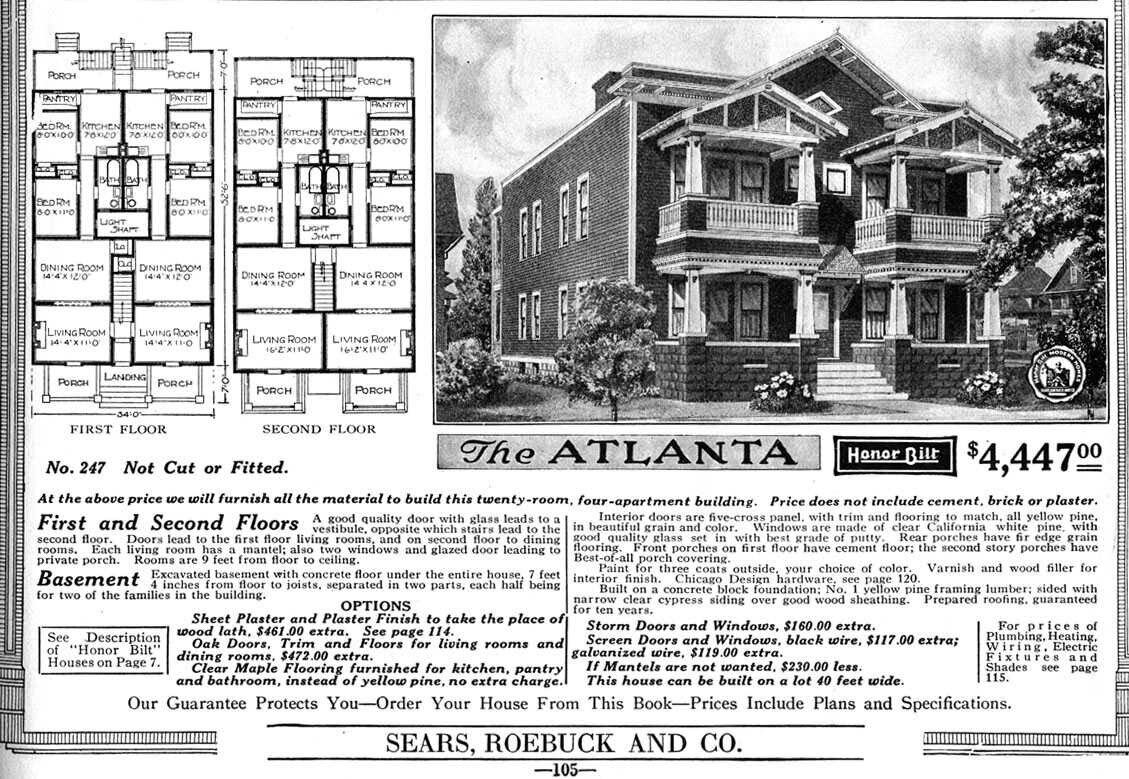
Japan, though notionally still a nation of universal middle-class values, long ago dropped any pretense that a home is any more than a consumer item—“conventional, convenient, disposable” [6]. For the ultimate Sears catalog homes on steroids, Muji has been leading for more than a decade the charge in premium ready-made homes, and “has become not only an internationally renowned company, but for many people is a way of life." Or in other words, “Less and less are we buying products (material objects) that we want to own; increasingly we buy life experiences, experiences of sex, eating, communicating, cultural consumption. ... We are becoming consumers of our own lives” [7]. (To be continued in next month’s edition.)
Thank you for your time and kind attention in continuing to read our newsletters. Stay tuned for next month!
English Writing: Kaz Yoneda & Gregory Serweta
Editing: Mai Tsunoo
トウキョウイズム [ニュースレター:一月号] /
トウキョウイズムは、この不完全な都市から始まる不完全なマニフェストへの探求として、毎号、一つのテーマを取り上げます。分析や議論を通して、日和見主義的にではありますが、理論化していきます。
Read MoreTokyo-ism [Newsletter 01/2021] /
As an exploration towards an imperfect manifesto from an ever-incomplete city, Tokyoism will take up a different subject each issue to dissect, expand upon, and opportunistically theorize.
Read MoreAn Alternative to the Rural-Urban Binarism [Newsletter 11/2020] /
In our previous issue, we reflected on how a city, even an entire culture, can be changed by women. In this month’s issue, we would like to explore the Urban in relation to the Rural, or if that opposition is meaningful.
Read More「地方」と「都市」以外の考え方 [ニュースレター:十一月号] /
前号では女性が変えた都市について述べましたが、今回は「都市」とその対局にあるとも考えられる「地方」について考えてみましょう。有名な「シムシティ」というゲームでは、住宅の近くに公園を作ると人口が増えるのをご存知でしょうか。日本人の自分からすると、これは少し不思議な感覚でもあります。近くに公園があろうとなかろうと、東京都心の不動産事情は「駅チカ」か否か、大規模な開発がすすんでいるか、などで人口は大きく左右されるように思えるからです。
新型コロナウイルスは、私たちの暮らし方を大きく変えました。自宅にいる時間が長くなり、いまだリモートワークの人も多くいます。新しい生活スタイルになったいま、都心にこだわる必要もなくなり、地方や郊外への移住も視野に入れる人が増えたでしょう。しかしながら、今年7月に行われた学情による調査によると、「都心に住みたい」「できれば都心に住みたい」人は、全体の約6割を占めており「郊外に住みたい」と答えた人は約25%にとどまっています。実際のところ、東京都心部の地価はいまも上がり続けており、富裕層を中心に都心部のマンションの購入が盛んだといいます。主に通勤時間を減らすために、超都心の人気が改めて高まっているそうです。
先述の通り、日本の不動産を考えると「駅チカ」という条件は地価に大きな影響を与えます。多くの不動産検索サイトにもその項目があるとおり、「駅徒歩○分以下」という条件で探す人もいるでしょう。しかし例えば、アメリカのポートランドやニューヨークを見てみると、必ずしもそればかりが重視されるわけではないことに気づきます。近くに公園があるか、素敵なカフェがあるか、安全性は高いかなど、数値化できない部分も重要な条件となっています。セントラルパークに面するマンハッタンのアッパーウエストは、高所得者向けの居住地として有名なエリアですし、ポケットパークと呼ばれる小さな公園の周辺も人気です。ポートランドのように自転車道が整備されていることも、住む人にとっては大事な要素となっています。これらのエリアが交通の面で便利かは、また別の話なのです。まさにシムシティ的な感覚が、これらの街にはあるように思えます。
日本は「都市」と「地方」の極端な二極化が進んでいると言われますが、これは「まち」の作り方に起因するように思えます。利便性だけにとらわれず、まちに必要なアメニティが揃えば、自然とコミュニティが生まれるでしょう。自宅付近にいることが増えたコロナ禍は、ある意味でチャンスともいえます。駅から遠かろうと、多少不便な立地だろうと、その場所に新しい価値を生む可能性はいくらでもあるのです。実際、首都圏エリアの外側では、このような動きが少しずつ生まれつつありそうです。
これからの時代のまちに求められているのは、いわば本質的なQOLーつまり、生きること自体、生きがいの質―です。それがなければ、都市だろうと地方だろうと、今後の発展は見込めないでしょう。居住空間内のアメニティだけでなく、周辺のプログラム、環境の豊かさ、安心安全などが包括的にバランスがとれて初めて、そのまちに魅力を感じ、住もうと思う人々が自ずと集まってきます。アーリーアダプター的な人々に触発され、また新しい人が増えるという、ポジティブなループが望めます。資本のためだけでない投資により、いいまちは生まれます。都市と地方、郊外を区切るのではなく、小さなコミュニティという単位とそれ等のネットワークによって、まちは新しい価値を手に入れるかもしれません。
執筆:角尾 舞
翻訳:村山和裕
監修:カズ・ヨネダ
女性が変えた世界 [ニュースレター:十月号] /

先月18日、ルース・ベイダー・ギンズバーグが87歳で亡くなった。まだ女性がロースクールに通うのも珍しかった1950年代に法学位を取得し、27年間にわたりアメリカ合衆国最高裁判所の判事を務めた。女性の連邦最高裁判事は、アメリカ史上二人目だった。彼女は一貫して「平等」を掲げた。特に性差別に関して一貫した姿勢を持ち、大きな影響を与えてきた。
アメリカが、依然として男性社会であることは否めない。2020年のジェンダーギャップ指数も、53位にとどまっている(日本は121位だった)。指数が全てではないものの、女性の自由が規制されている保守的な州も存在している。そのようなアメリカにおいて、ギンズバーグは常に平等の意識を貫き、戦ってきた。慎んで哀悼の意を捧げる。
今回は、女性が変えた歴史について考えたい。プリンシパルのカズ・ヨネダは、先月から日本女子大学で講義の担当を始めた。講義で取り上げるテーマは『アメリカ大都市の死と生』という書籍。ジェイン・ジェイコブスの著作で、近代都市計画を批判した一冊である。彼女もまた、20世紀半ばのアメリカに大きな影響を与えた女性の一人だ。ニューヨークのグリニッジ・ヴィレッジに住んでいたジャーナリストの彼女は、高速道路の建設や再開発に対する反対運動に立ち上がった。
終戦後のニューヨークの街には、貧しい人も多く、スラム街もあった。そんな街の再開発をしようと試みたのが、ロバート・モーゼスという「マスター・ビルダー」である。街に巨大な高速道路を通し、スラム街を一掃し、居住地区と商業地区を完全に分け、高層ビルの建設を次々と進めていた。モーゼス自身、最初は地域コミュニティを大事にしていたものの、徐々にそれを無視し始め、代わりに効率性を重視した街を開発した。そんな彼に対し、ジェイコブスは彼女ならではの視点で市民に問を投げかけた。ストリートにこそ文化があり、人が都市に合わせるのではなく、都市が人に合わせるのだと主張した。
1954年、ワシントン・スクエア・パークに幹線道路を貫かせる計画が浮上したとき、ジェイコブスは活動家たちとともに抗議活動を始めた。市長に対して直訴の手紙を書き、地域が破壊されると訴えた。あるときモーゼスが「抗議するのは主婦どもだけだ」と発し、その一言で、多くの女性を敵に回すことになった。人を動かす才能のあった彼女は、多くの著名人を味方につけた。結果的に、幹線道路の計画は白紙に戻ったのだった。
この計画の直後に出版されたのが、『アメリカ大都市の死と生』である。この書籍をジェイコブスはモーゼスに送ったが、ひどい罵倒とともに送り返されたという。また、『ニューヨーク』誌の建築評論家だったルイス・マンフォードもこの書籍に対して ”ジェイコブズお母さんの家庭療法(Mother Jacobs’ Home Remedies)” と題し「ただの中年女性であるジェイン・ジェイコブズが、インチキな療法で街を治そうとしている」と書いた。もちろんと言っていいほどに、この時代に強い主張の女性は歓迎されなかった。
しかし、ジェイコブスが書籍を出したころ、ベティ・フリーダンは『新しい女性の創造』を、レイチェル・カーソンは『沈黙の春』を出版した。環境活動、公民権、街に関する運動、そしてフェミニズムが一斉に生まれた時代だった。いずれも市民の力がかたちになった運動だった。そしてそのきっかけとなった著作者は、女性だった。モーゼスらが進めた多くの高層住宅は、結局完成から30〜40年後に解体された。一度破壊された都市は元に戻らないが、ワシントン・スクエア・パークは今も人々の憩いの場として役目を担っている。

執筆:角尾 舞
翻訳:村山和裕
監修:カズ・ヨネダ
Women Who Changed the World [Newsletter 10/2020] /

On 18th of last month, Ruth Bader Ginsburg died at the age of 87. She obtained the law degree in the 1950s, when women were seldom able to attend law schools, and went on to serve as a US Supreme Court Justice for 27 years. She was only the second woman in history to achieve this, and wielded great influence as she used her position to consistently advocate equality, especially of gender.
There is no doubt that the United States remains a male dominated society. The Gender Gap Index puts the country 53th in the world (Japan is 121th!). No index can tell the whole story, but conservative states still exist where women’s rights are restricted. Such is the USA where Ginsburg fought for her beliefs. We extend our deep condolences.
In this issue, we would like to consider a history changed by women. Last month our principal, Kaz Yoneda, began a course at Japan Women’s University on the contemporary critique of The Death and Life of Great American Cities. In this book, Jane Jacobs criticised modern urban planning. She was another woman that profoundly influenced the mid-20th century USA. As a journalist living in the Greenwich Village, she was a part of and eventually would lead the movement to oppose the aggressive construction of highways and other large-scale developments.
Post-War New York still had a large portion of its population struggling with poverty living invarious slum areas. In that context, Robert Moses, the so-called “master builder", set out to achieve an urban regeneration. His urban projects were soon underway, forging gigantic highways forcibly into the city, clearing low-income housing, and dividing residential and commercial areas completely, with a preference for skyscrapers. Moses began with good intentions towards local communities, but he increasingly pursued the efficiency of developments. In her book, Jacobs’s drew on her own perspective to challenge what Moses was doing. Culture is rooted on the street, she argued, and it is not the people who are moulded by a city, but that the city is be moulded by the people living in it.
In 1954, a plan to insert a highway through Washington Square Park emerged. Jacobs and other activists started a protest movement. She wrote directly to the city mayor objecting that local communities would be destroyed. Moses scoffed that this was "only a protest of housewives." With that one sentence, he turned many more women against him. Jacobs was talented at mobilizing people, and she managed to get celebrities on her side. As the result, the highway plans were eventually cancelled.
The Death and Life of Great American Cities was published as a result of these moves in urban planning. Jacobs sent a copy of her book to Moses, which he returned to her, accompanied by curtreply. New Yorker magazine’s architectural critic Lewis Mumford, penned his own title to Jacobs’s publication: “Mother Jacobs’ Home Remedies.” He described Jacobs as “nothing more than a middle-aged woman with home remedies for our urban problems.” In those days, and perhaps even now, women of strong opinions were never welcome.
However, around the time that Jacobs wrote her book, Betty Friedan published The Feminine Mystique, and Rachel Carson came out with Silent Spring. It was the age of movements supporting the environment, civil rights, urban planning, and feminism. All emerged during this time in history, and all manifested the growing consciousness of civilians and their rights. All were triggered by female writers too.
Many of Moses’ high-rise residential projects were torn down just 30–40 years after completion. The urban environments he demolished will never return, but Washington Square Park still serves as an urban oasis for many people.

Writing: Mai Tsunoo
Translation: Kazuhiro Murayama
Direction: Kaz Yoneda
What Online Teaching Really Brings Us [Newsletter 9/2020] /
This year, many students may not have much sense of the start of a new term. Yet with the summer break over, Japanese universities have gone back for their second semester, while a fresh school year has begun in the United States and Europe. Some classes are being offered person-to-person, but a large number will be delivered online. Remote teaching raises many concerns about education, so we would like to take the opportunity of this newsletter to share some impressions we have gained from teaching architecture online over the past six months.
Read Moreオンライン教育が本当にもたらすもの [ニュースレター九月号] /
これからまた対面講義が増えたとしても、オンライン講義の知見はなくならないでしょう。分断の世界になっていると言われていますが、新型コロナウイルスをきっかけとしたステイホーム期間は、ある意味で新しい繋がりの機会を私たちに与えてくれたのかもしれません。
Read More